LogoInjection Magnets
Start inquiry
LogoInjection Magnets
WhatsApp
LogoInjection Magnets

Precision injection molded magnets, bonded magnet rotors, and insert-molded magnetic assemblies for global OEM programs.

Inquiry Email

[email protected]

Email app

Include drawing, material, pole pattern, temperature, compliance, and PPAP needs.

Instant Chat

+8618857971991

Chat on WhatsApp

Fast DFM triage for magnetic material, tooling, and validation questions.

Products
  • Product Portfolio
  • Injection Molded Magnets
  • Material Grades
  • SmFeN Molded Magnets
  • Sensor Magnet Rotors
  • Bonded NdFeB Magnets
  • Injection Molded Ferrite
Solutions
  • Applications Overview
  • Automotive Sensor Rotors
  • BLDC Motor Rotors
  • Water Pump Impeller Magnets
  • Engine-Bay PPS Targets
  • EEV Stepper Motor Rotors
OEM Capabilities
  • OEM Capability Overview
  • Custom Magnet Tooling
  • Insert Molding
  • Automotive Quality & PPAP
  • Magnetic Testing
  • FEA Simulation & DFM
  • RoHS / REACH Compliance
Resources
  • Blog
  • Check Valve Magnet Checker
  • Isuzu NPR Exhaust Brake Valve Magnet
  • About
  • Contact / RFQ
  • Privacy Policy
  • Cookie Policy
  • Terms of Service
© 2026 Injection Magnets. All Rights Reserved.|Backed by Linkup Ai Co., Ltd. Manufacturing delivered by the Advanced Manufacturing Division of Linkup Precision.
← Back to Products

Automotive Magnetic Sensor Rotors

Precision magnet rotors for Hall, AMR, GMR, TMR, and angle-position sensing modules in automotive assemblies.

Target Buyer:Best for sensor engineers who need a rotor that is mechanically safe and magnetically repeatable under automotive validation.
Magnetic angle sensor rotor assembly

Capability Highlights

  • Multi-pole, diametrical, radial, or custom magnetic patterns
  • Controlled concentricity between bore, shaft, magnet, and sensing surface
  • Suitable for pedal, steering, brake, pump, and actuator feedback modules

Typical Applications

  • Throttle pedal sensors
  • Steering angle modules
  • Brake-by-wire sensors
  • Pump actuators

Engineering Focus

  • Magnetic angle error and sensing radius control
  • Rotor balance and insert-to-magnet concentricity
  • Thermal cycling and vibration validation planning

Design Review Path

Where Automotive Magnetic Sensor Rotors fits

Automotive Magnetic Sensor Rotors is most relevant when best for sensor engineers who need a rotor that is mechanically safe and magnetically repeatable under automotive validation. Typical product programs include Throttle pedal sensors, Steering angle modules, and Brake-by-wire sensors, so the early review should confirm magnetic angle error and sensing radius control.
What to lock before samples

Before sample tooling, align on 2D/3D drawing, material target, magnetic pattern, and sensing datum and operating temperature, vibration, media exposure, and lifetime requirement. The first acceptance check is magnetic angle error (Project-defined by sensor architecture and air gap), because angle error is often the release gate for throttle, steering, and position-feedback applications.

How to reduce sourcing risk

The main risk is brittle sintered magnet carried into a vibration-critical assembly; control it by review bonded magnet material and molded geometry when chipping, cracking, or adhesive failure can affect functional safety. Also review rotor concentricity and magnetic pattern accepted without measurable criteria before moving from prototypes to repeat production.

Key Evaluation Matrix

MetricTypical RangeWhy It Matters
Magnetic angle errorProject-defined by sensor architecture and air gapAngle error is often the release gate for throttle, steering, and position-feedback applications.
Rotor concentricityDefined from bore/shaft datum to sensing surfaceMechanical runout becomes magnetic signal variation when the sensor reads a rotating magnet.

RFQ Checklist

  1. 2D/3D drawing, material target, magnetic pattern, and sensing datum
  2. Operating temperature, vibration, media exposure, and lifetime requirement
  3. Sample quantity, tooling target, annual forecast, destination, and PPAP needs
  4. Sensor IC type, target air gap, pole count, magnetic curve, and angle-error target

Risk Controls

  • Brittle sintered magnet carried into a vibration-critical assembly: Review bonded magnet material and molded geometry when chipping, cracking, or adhesive failure can affect functional safety.
  • Magnetic pattern accepted without measurable criteria: Define flux density, pole count, angle error, sensing radius, concentricity, and inspection method before sample tooling.

Product Gallery

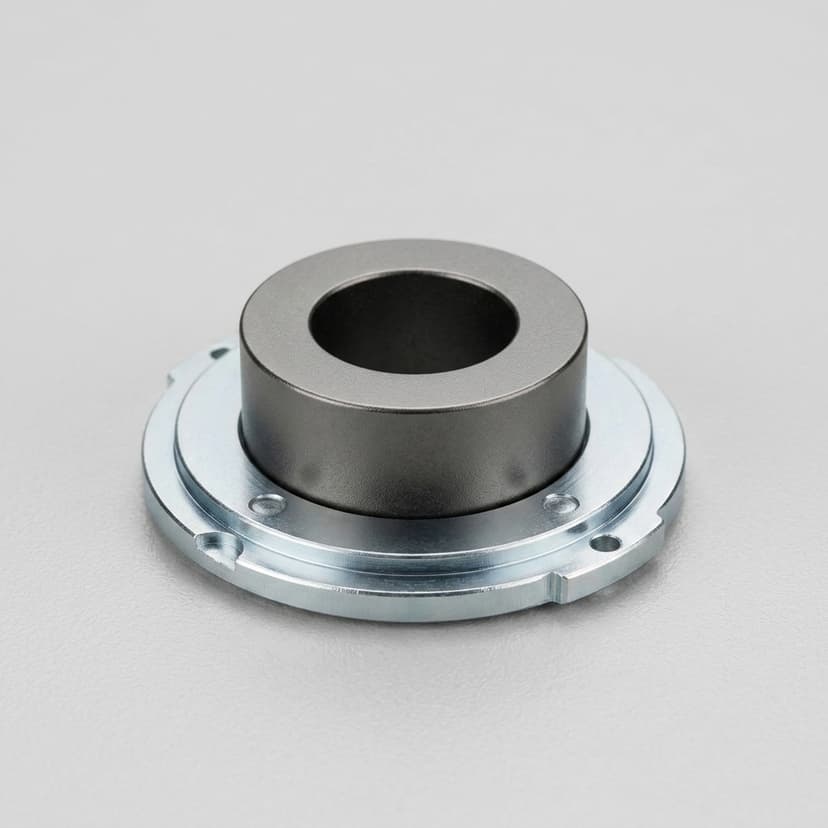
Automotive sensor magnet
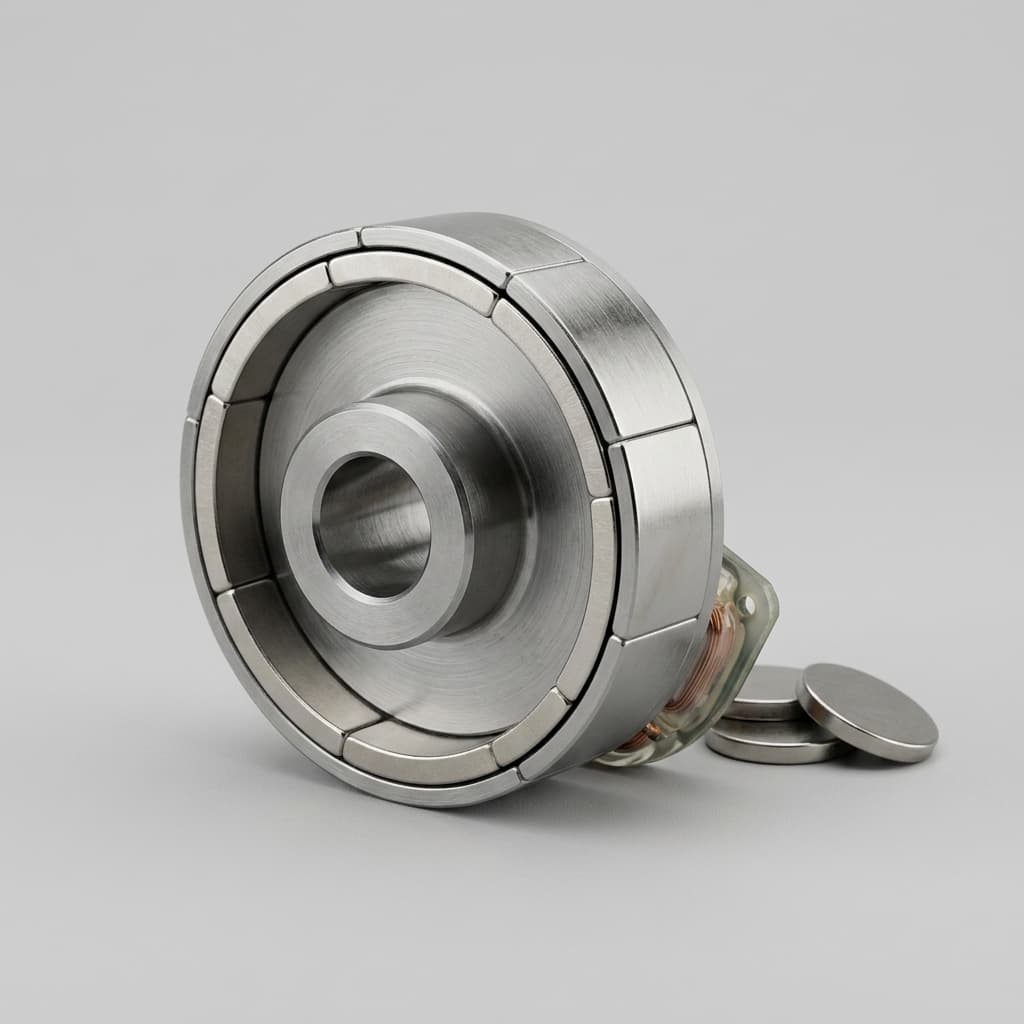
Automotive magnetic sensor rotor
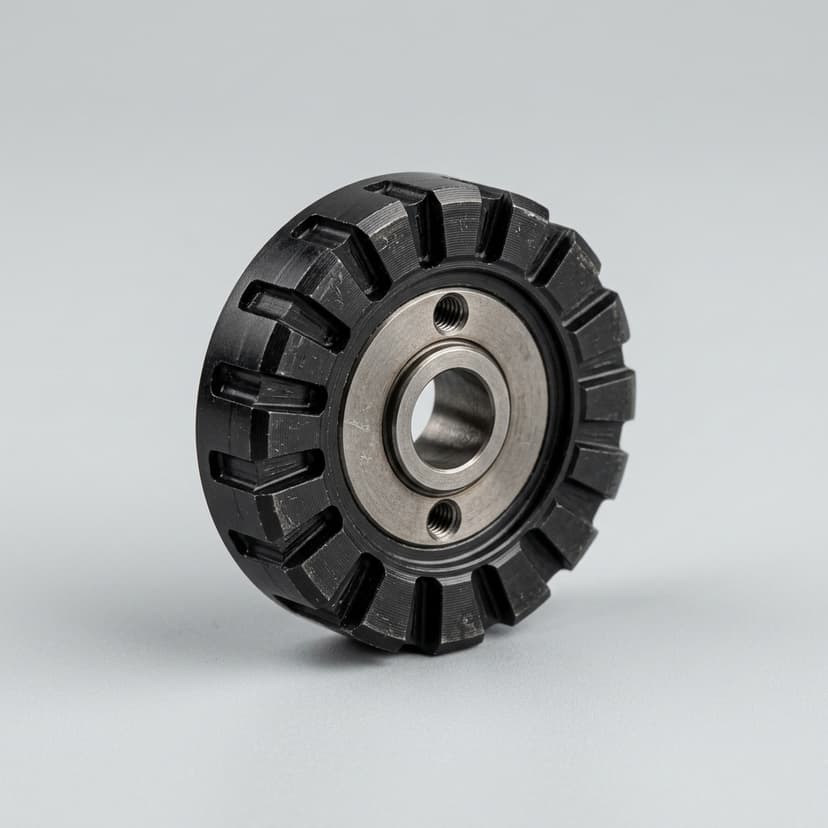
Steering angle magnet

Buyer FAQ

Can you support custom pole patterns for sensor rotors?

Yes. The RFQ should include pole count, magnetization direction, sensor air gap, target curve, and acceptance method so tooling and magnetization can be reviewed together.

What should be included in a Automotive Magnetic Sensor Rotors RFQ?

Include 2D/3D drawing, material target, magnetic pattern, and sensing datum, operating temperature, vibration, media exposure, and lifetime requirement, and sample quantity, tooling target, annual forecast, destination, and PPAP needs. If the part is tied to automotive or safety-critical sensing, also include PPAP, traceability, and magnetic test expectations.

Related Resources

  • Insert molding and overmolding
  • Contact / RFQ
  • All injection molded magnet products

Inquiry Email

[email protected]

Email app

Include drawing, material, pole pattern, temperature, compliance, and PPAP needs.

Instant Chat

+8618857971991

Chat on WhatsApp

Fast DFM triage for magnetic material, tooling, and validation questions.