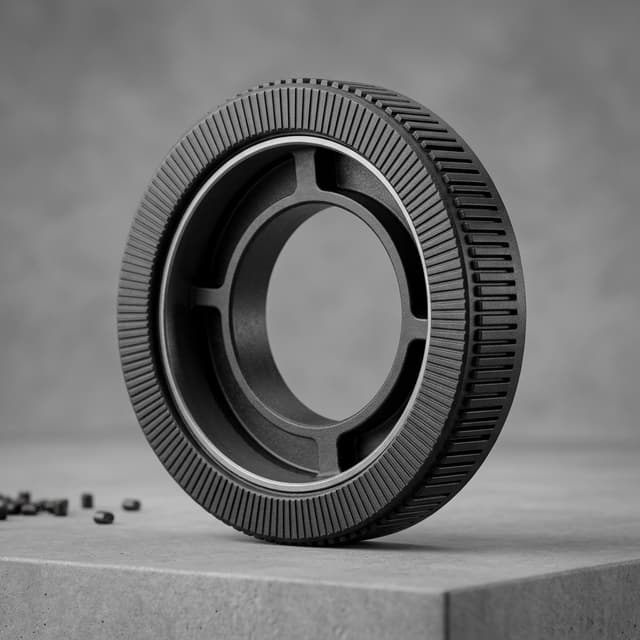
| Custom Magnet Tooling and NRE | Best for OEM teams that need a custom magnet part rather than an off-the-shelf catalog magnet. | Tooling release package: Drawing, material, magnetization, inspection, and sample plan | Injection molded magnets are tooling-led projects; unclear inputs create costly revision loops. |
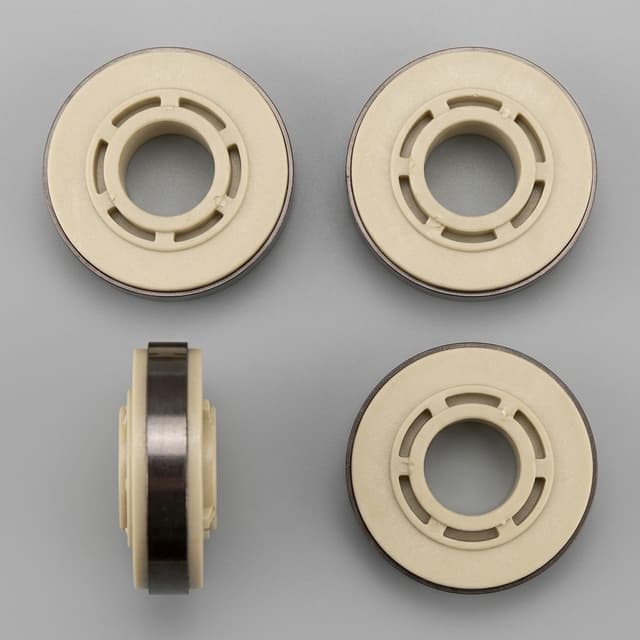
| Insert Molding and Magnet Overmolding | Best for buyers replacing glued magnet assemblies or adding magnetic function to an existing mechanical part. | Retention force: Defined by pull-out, push-out, or torsion requirement | A sensor rotor can pass magnetic testing but still fail if the insert interface moves under load. |
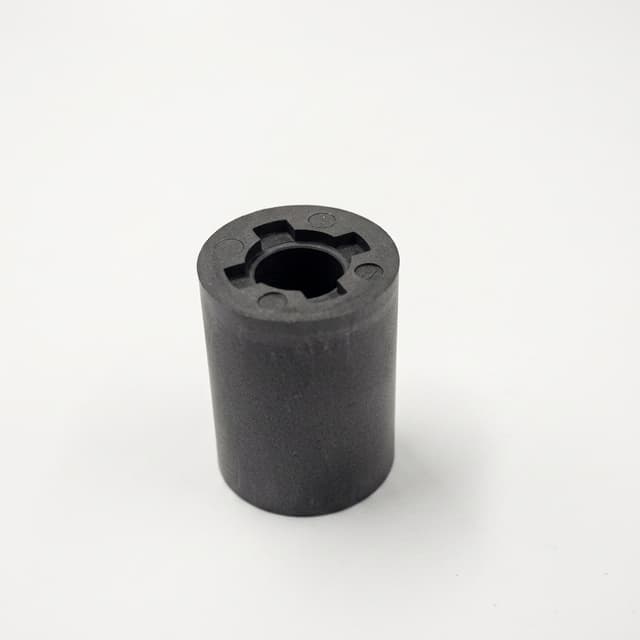
| Multi-Pole Magnetization | Best for engineering teams where magnetic field shape is the product function, not just a material property. | Pole-to-datum alignment: Project-defined reference angle or mechanical key | Assembly teams need the magnetic pattern aligned with a physical datum to avoid calibration drift. |
| Automotive Quality and PPAP Support | Best for automotive sourcing, SQE, and launch teams that need more than prototype magnets and require release evidence before production sourcing. | CTQ coverage: Dimensions, magnetics, material, insert retention, visual release | Automotive buyers need measurable release criteria, not just supplier claims about quality. |
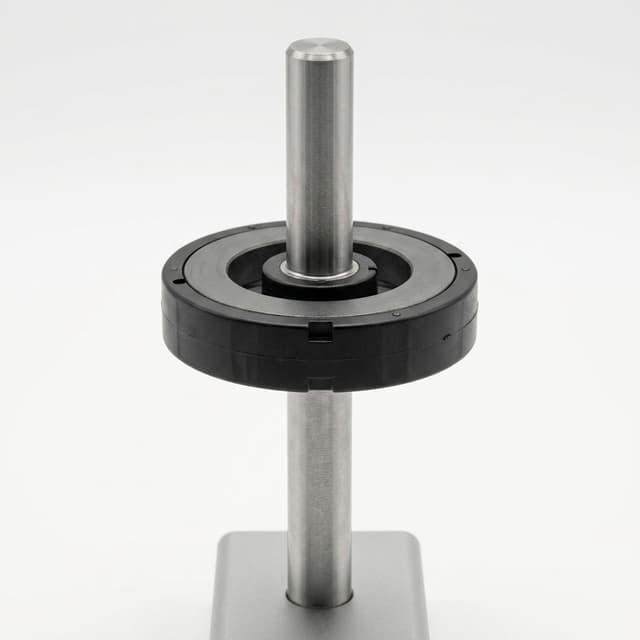
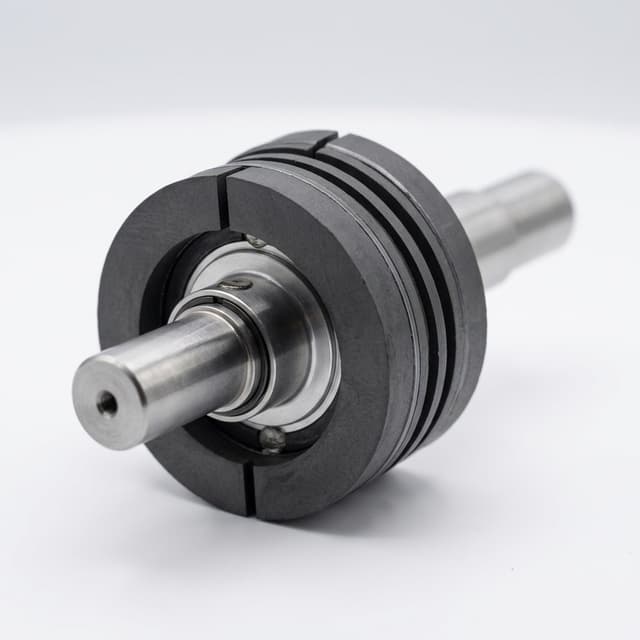
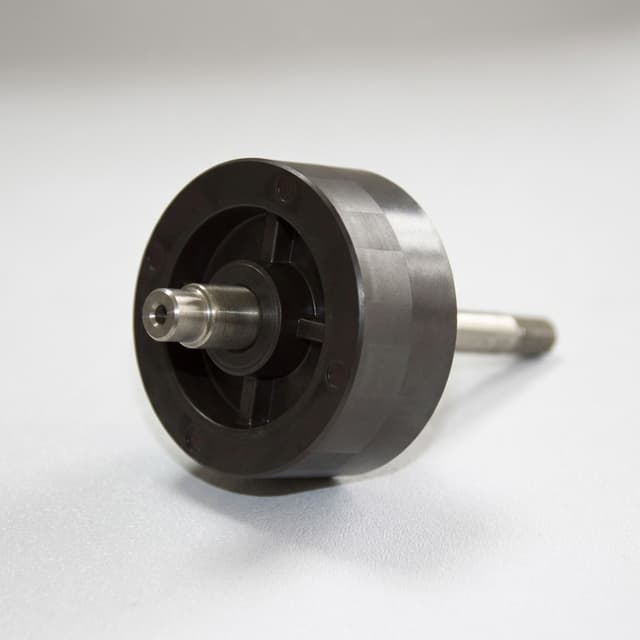
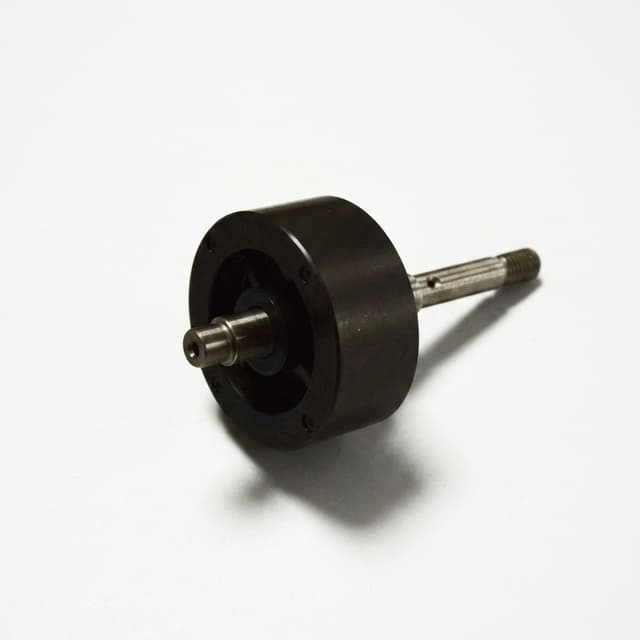
| Magnet Overmolding on Steel Shafts | Best for motor and pump assembly teams seeking to reduce BOM count, eliminate curing times, and improve mechanical reliability. | Concentricity (TIR): Achieves higher precision than glued assemblies since the shaft is fixtured in the mold | In high-speed pump or motor applications, runout causes vibration, noise, and accelerated bearing wear. |
| One-Shot Magnet Molding | Best for value engineering (VAVE) teams looking to redesign multi-part sintered magnet assemblies into cost-effective single parts. | Part consolidation ratio: Typically reduces 2-4 components down to 1 | Fewer parts mean fewer supply chain risks, zero assembly errors, and eliminated adhesive curing bottlenecks. |
| Magnetic Testing and Field Mapping | Best for engineering and quality teams that need measurable magnetic acceptance criteria before tooling or PPAP sampling. | Magnetic release criterion: B-H curve, flux density, Bx/By/Bz map, angle error, or functional output | The magnet can only be controlled in production when the buyer defines which magnetic characteristic matters. |
| Magnet FEA Simulation and DFM | Best for teams that need to derisk a custom magnet design before paying for tooling or validation samples. | Simulation-to-sample alignment: Air gap, pole geometry, material curve, temperature, and sensor position | A useful simulation must match the molded part, magnetization fixture, and real sensing or motor assembly. |
| Two-Shot Magnetic Injection Molding | Best for design teams trying to combine magnet, carrier, sealing, or mechanical features into a molded assembly. | Interface reliability: Pull-out, peel, torsion, leak, or thermal-cycle target by design | Two-shot parts fail at the interface when resin compatibility and geometry are not engineered early. |
| Magnetic Field Alignment Molding | Best for engineering teams pushing molded magnet output while still needing injection-molded geometry and production repeatability. | Alignment direction: Radial, axial, diametrical, or custom field orientation | Anisotropic compounds only deliver their advantage when the powder orientation matches the final magnetic function. |
| RoHS and REACH Magnet Compliance Support | Best for sourcing, compliance, and supplier-quality teams that must qualify custom magnetic parts for regulated markets. | Compliance evidence scope: RoHS, REACH, CoC, IMDS, customer declaration, or test report | Custom magnetic compounds combine powder, resin, insert, and sometimes coating, so evidence scope must be explicit. |