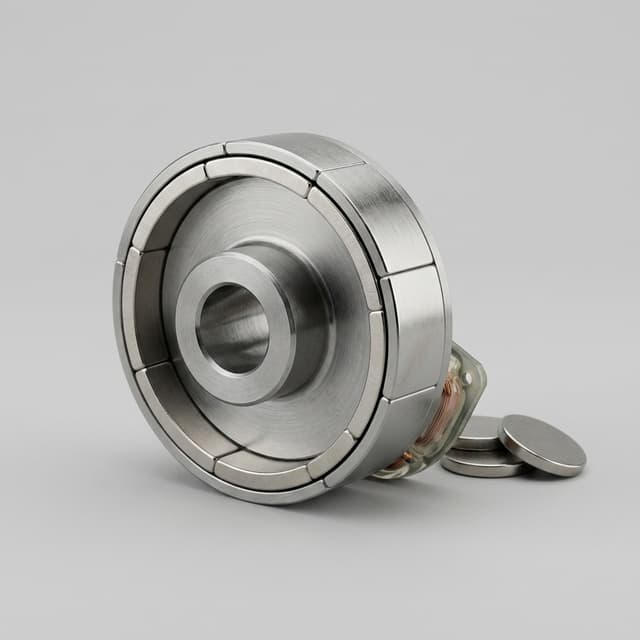
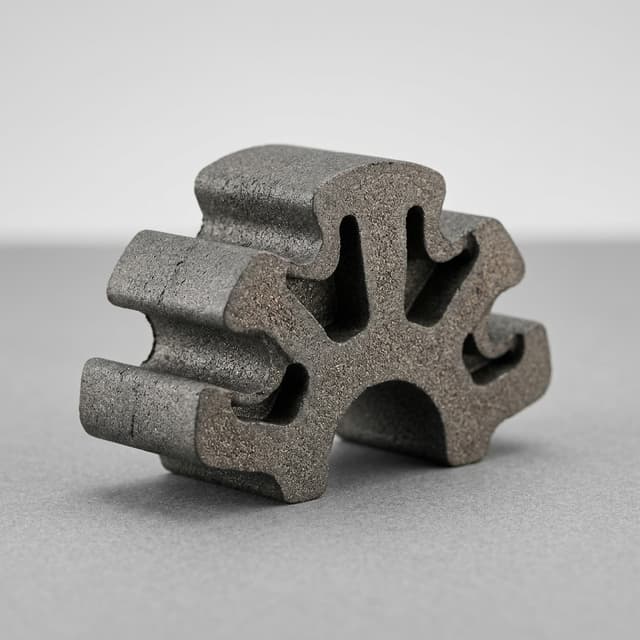
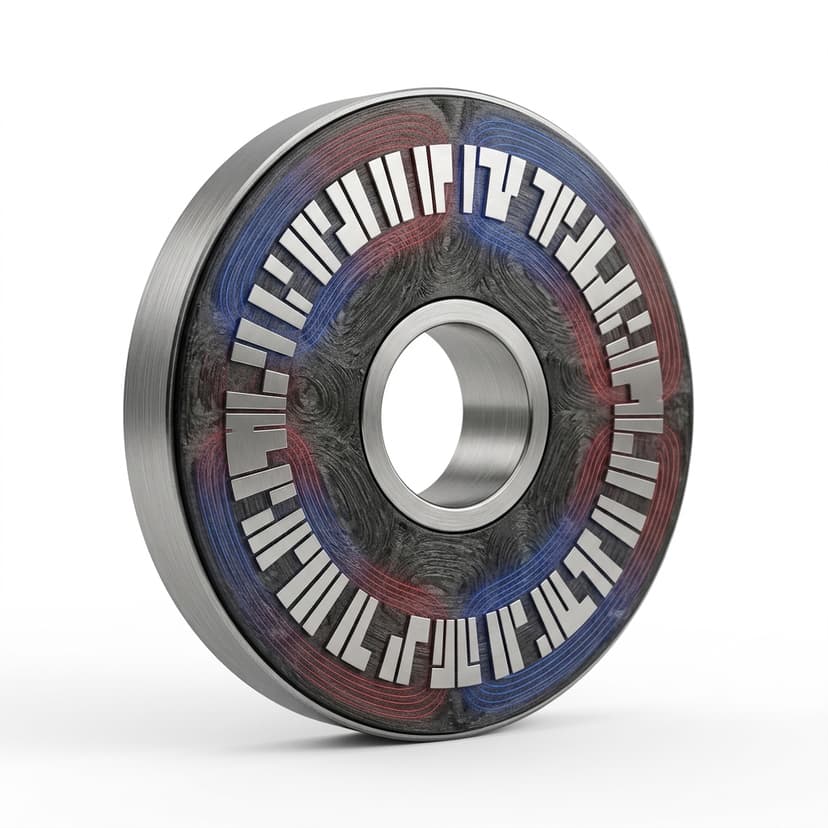
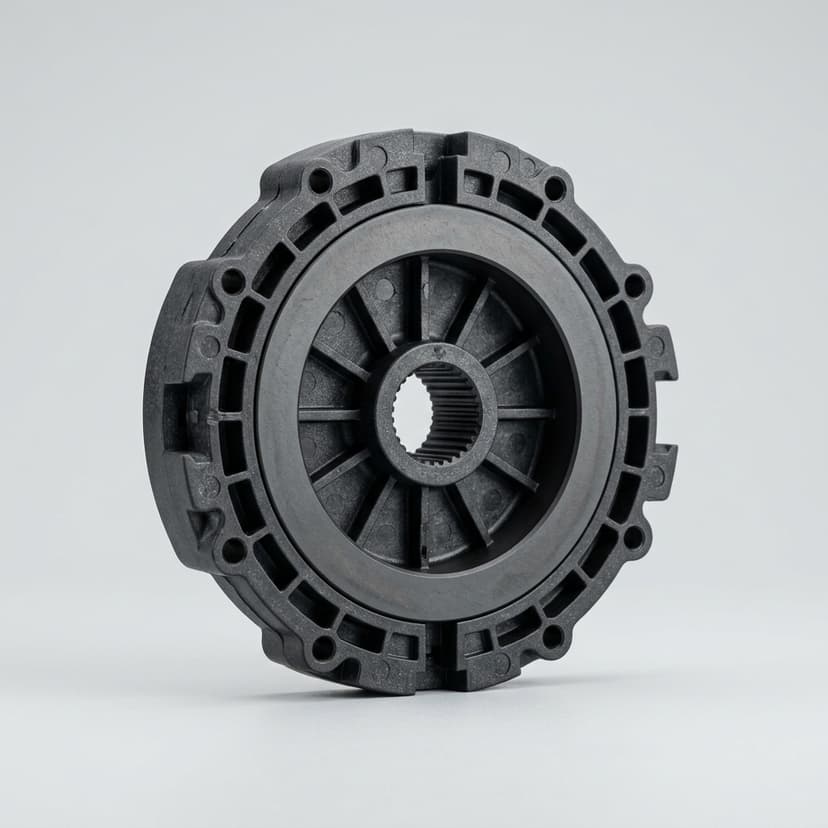
| Injection Molded Magnets | Best for OEM teams replacing brittle sintered magnets or consolidating magnet, hub, and shaft features into a molded part. | Magnetic material system: Bonded NdFeB, bonded ferrite, PPS/PA/PEEK resin matrix | The powder and resin choice decides output, temperature capability, cost, and molding behavior. |
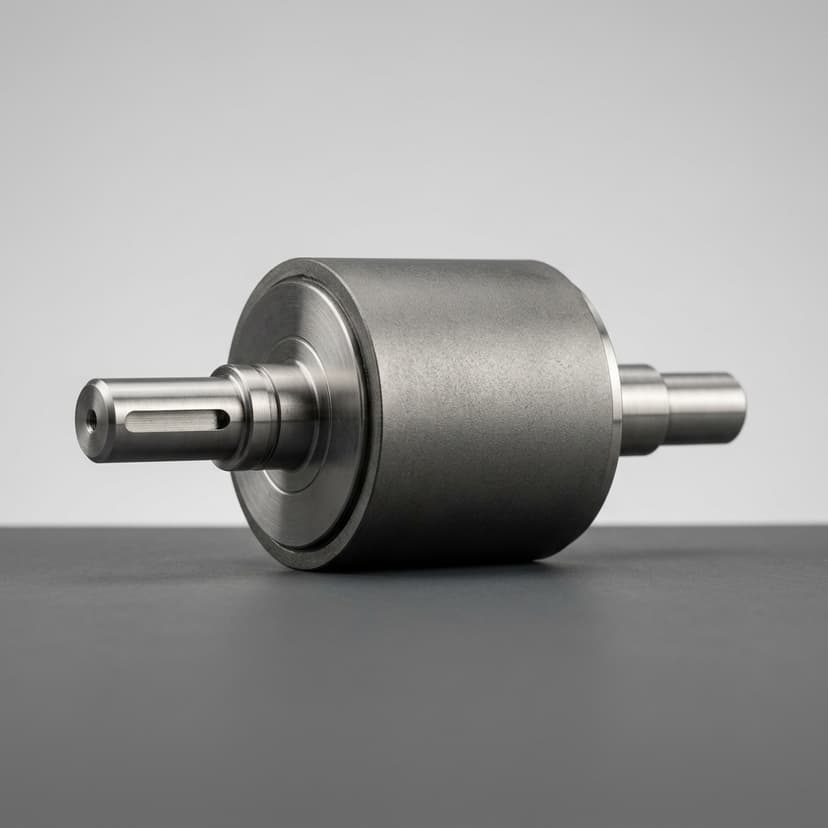
| Automotive Magnetic Sensor Rotors | Best for sensor engineers who need a rotor that is mechanically safe and magnetically repeatable under automotive validation. | Magnetic angle error: Project-defined by sensor architecture and air gap | Angle error is often the release gate for throttle, steering, and position-feedback applications. |
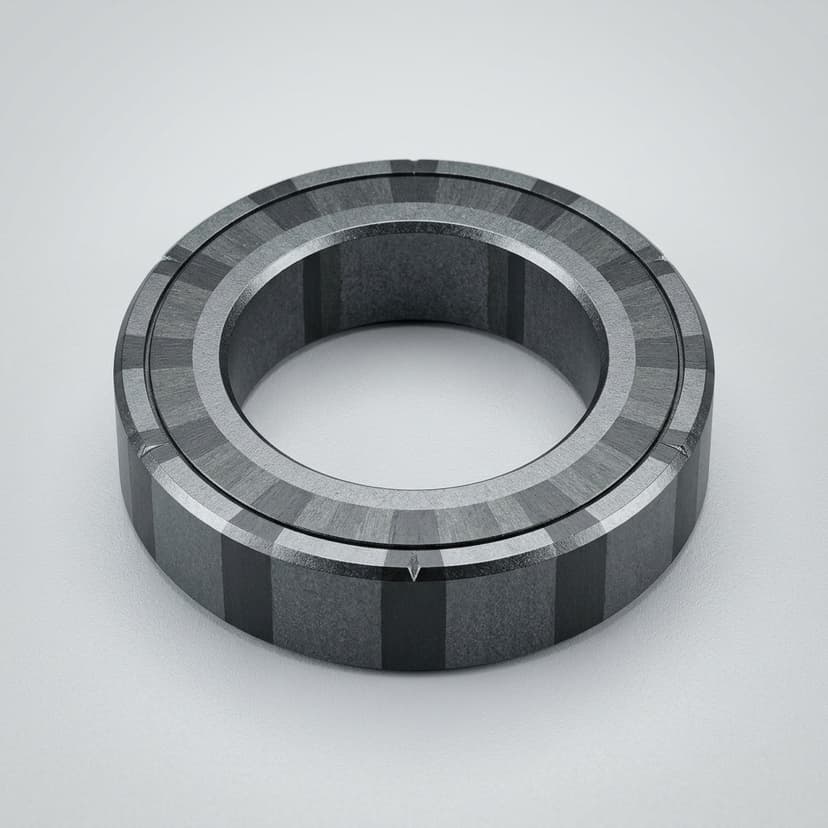
| Bonded NdFeB Magnets | Best for buyers who need stronger magnetic performance but still require molded shape control and chip-free handling. | Magnetic output target: Flux density or sensor curve defined by buyer test setup | Bonded NdFeB is selected when ferrite cannot meet signal or torque density in the available package. |
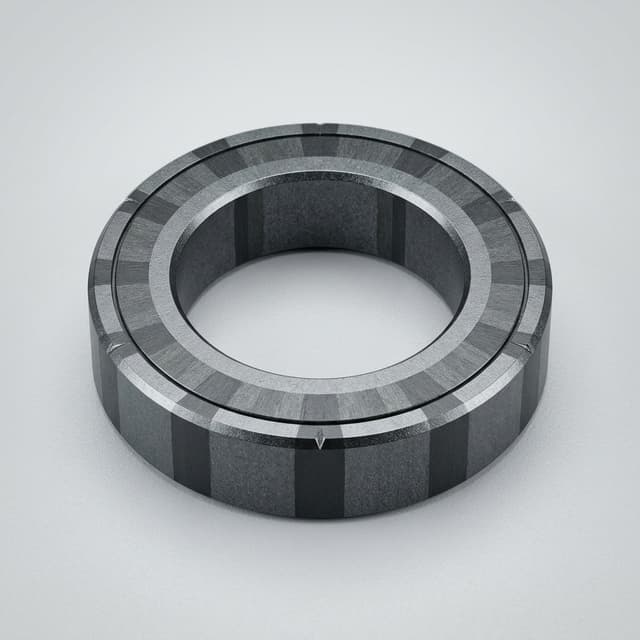
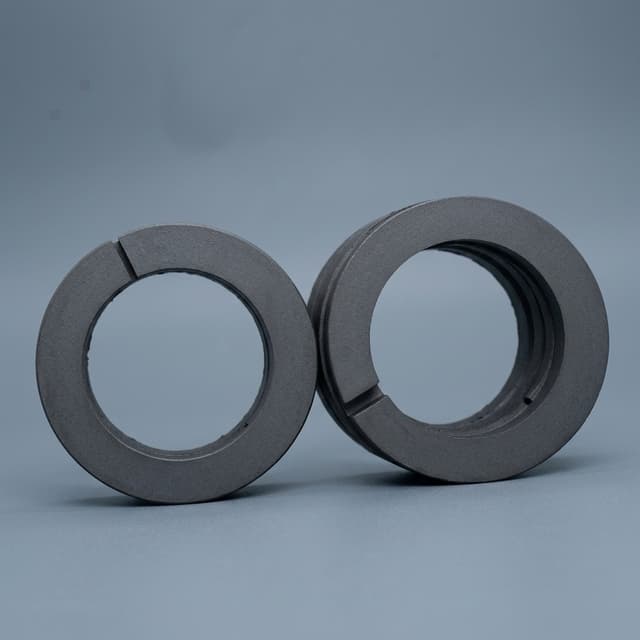
| PPS Bonded Ferrite Ring Magnets | Best for HVAC, EEV, and micro motor teams seeking stable multi-pole rings at production volume. | Pole count and magnetization consistency: Defined by motor design and torque ripple target | EEV and stepper motors depend on repeatable pole geometry for smooth actuation. |
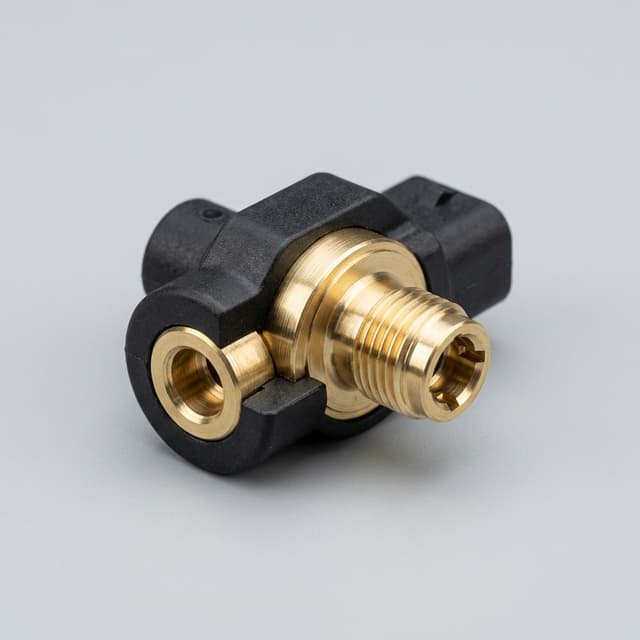
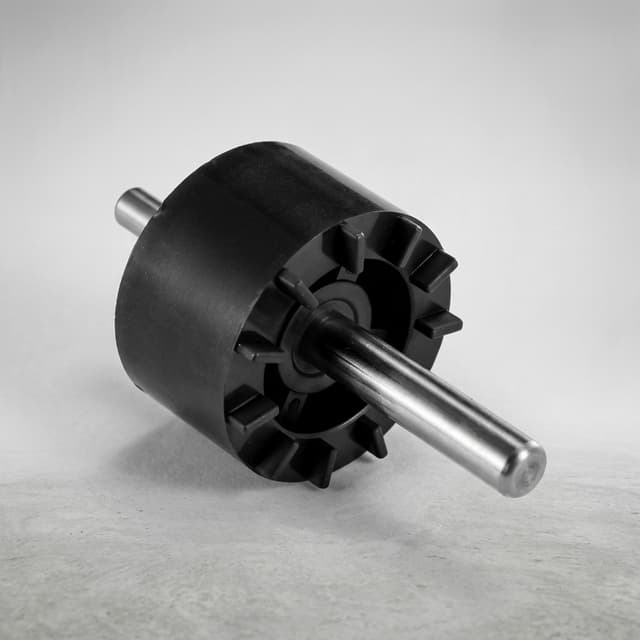
| Insert Molded Magnet Assemblies | Best for programs where assembly alignment, adhesive reliability, or BOM reduction matters. | Insert retention: Pull-out or torque resistance target defined by assembly | The molded magnet must stay locked to the shaft or hub through vibration and thermal cycling. |
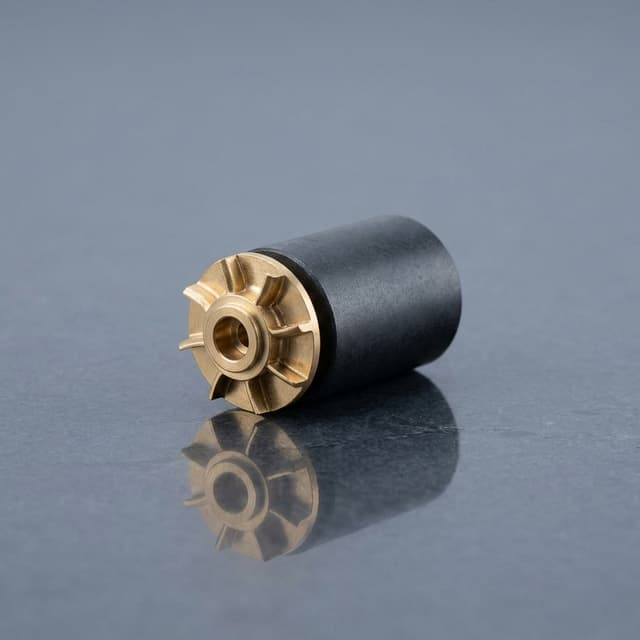
| Chip-Free Magnet Rotors | Best for engineering teams resolving field failures caused by fractured sintered magnets or seeking to derisk a new sensor design. | Impact and vibration survivability: Passes standard automotive multi-axis vibration testing without edge mass loss | A single microscopic magnetic chip can lock a micro motor or distort a Hall sensor signal permanently. |
| Bonded NdFeB PPS Magnets | Best for material engineers who need rare-earth magnetic strength but cannot compromise on chemical and heat resistance. | Continuous operating temperature: 150°C to 180°C (depending on specific NdFeB powder and PPS grade) | PPS ensures the molded geometry does not deform, while the specified NdFeB powder ensures the magnetic field does not permanently demagnetize at heat. |
| SmFeN Injection Molded Magnets | Best for engineers comparing bonded NdFeB, ferrite, and SmFeN when corrosion risk, demagnetization margin, and molded geometry must be balanced. | Material selection window: SmFeN, bonded NdFeB, ferrite, or hybrid review | SmFeN is selected for a specific balance of rare-earth output, corrosion resistance, and molded part reliability. |
| Injection Molded Ferrite Magnets | Best for OEM teams that need molded geometry and stable cost more than rare-earth magnetic density. | Ferrite grade family: BIF-style isotropic or anisotropic ferrite compounds | The grade decides magnetic output, moldability, cost, and whether the design can avoid rare-earth material exposure. |
| Injection Molded Magnet Material Grades | Best for material engineers and sourcing teams who need a clear grade-selection path before sending drawings for quotation. | Rare-earth grade family: BIN-11, BIN-12, BIN-33 style bonded NdFeB or SmFeN review | The grade family sets the magnetic ceiling and demagnetization margin before the resin and geometry are optimized. |
| Injection Molded SmCo Magnets | Best for teams reviewing a molded alternative to brittle high-temperature magnetic parts in demanding environments. | Temperature stability: Project-defined continuous and peak temperature window | SmCo is reviewed when magnetic stability at elevated temperature is a release gate. |
| Hybrid Injection Molded Magnets | Best for value engineering teams that need more output than ferrite but cannot accept full rare-earth cost, supply, or corrosion assumptions. | Blend objective: Cost reduction, corrosion margin, output increase, or demag risk reduction | A hybrid magnet only makes sense when the tradeoff target is explicit and measurable. |