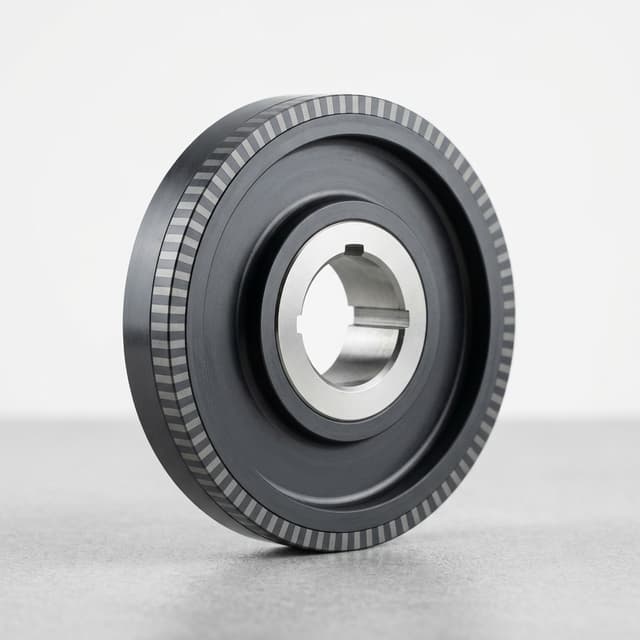
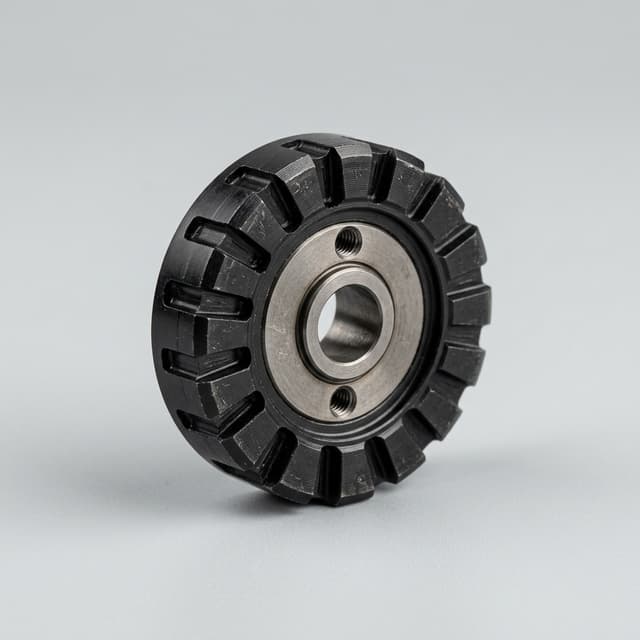
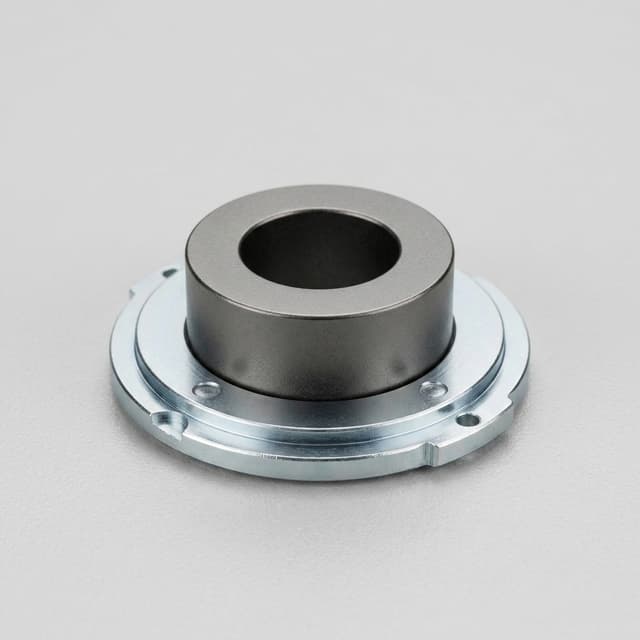
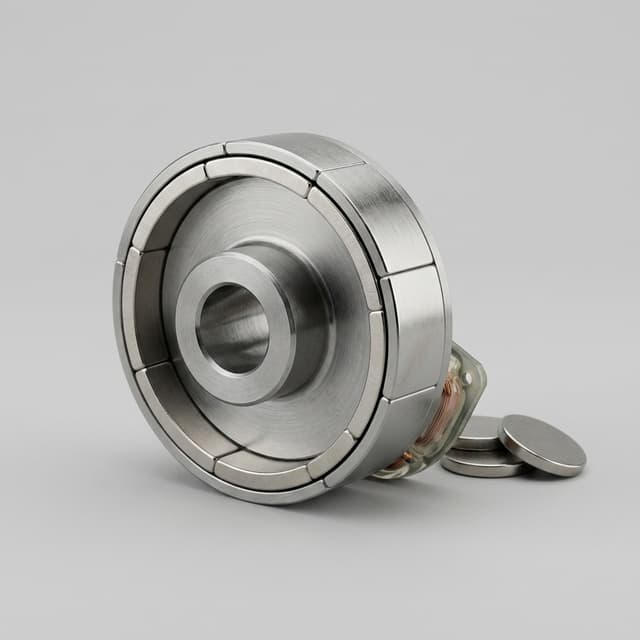
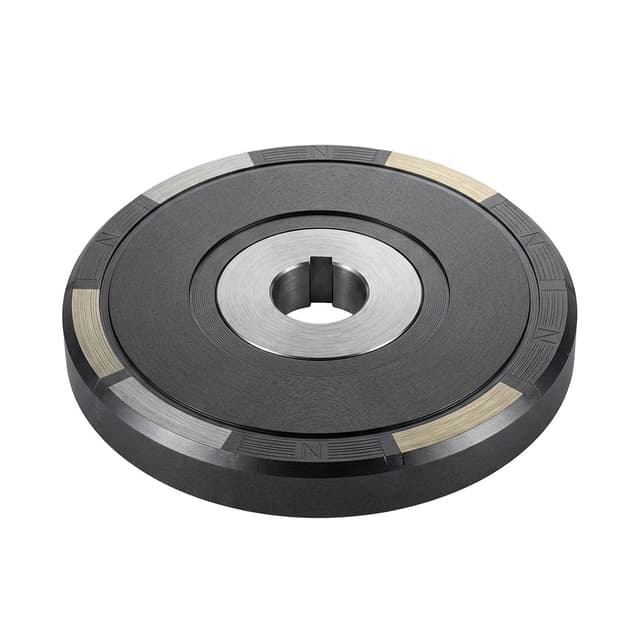
| Automotive Sensor Magnet Rotors | Best for automotive sensor teams replacing glued sintered magnets or qualifying a new custom rotor. | Signal repeatability: Buyer-defined by sensor output and angle accuracy | Automotive sensing applications need repeatable magnetic output more than generic magnet strength claims. |
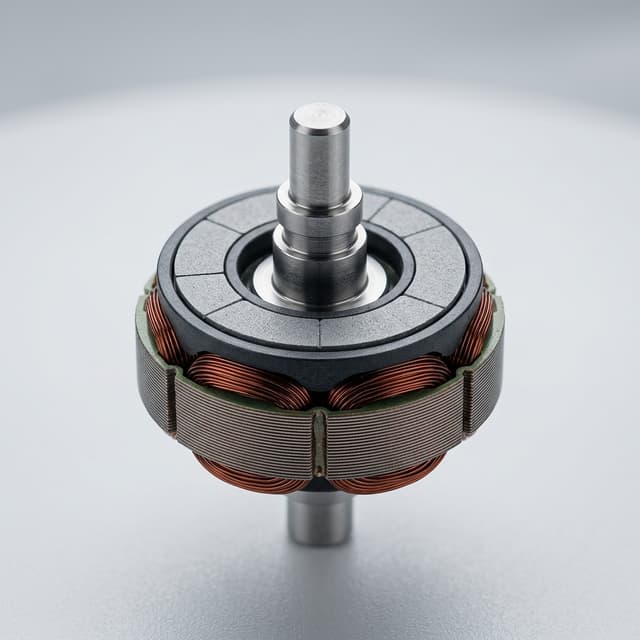
| EEV Stepper Motor Magnet Rotors | Best for HVAC and valve manufacturers moving from prototype rotor sourcing to production supply. | Motor torque consistency: Validated in buyer motor or agreed sample test fixture | Valve actuation depends on repeatable rotor magnetic pattern and stable molded dimensions. |
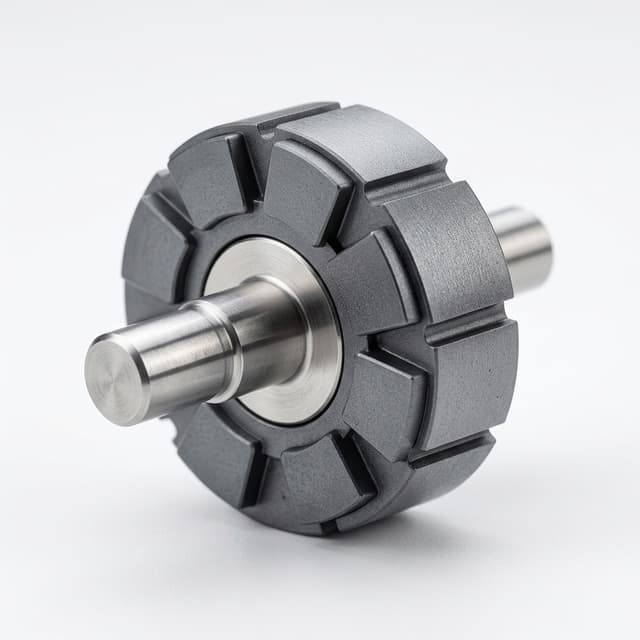
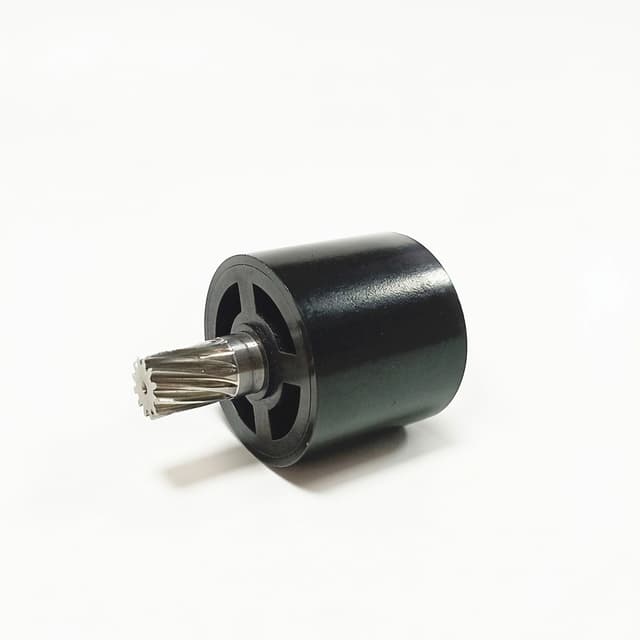
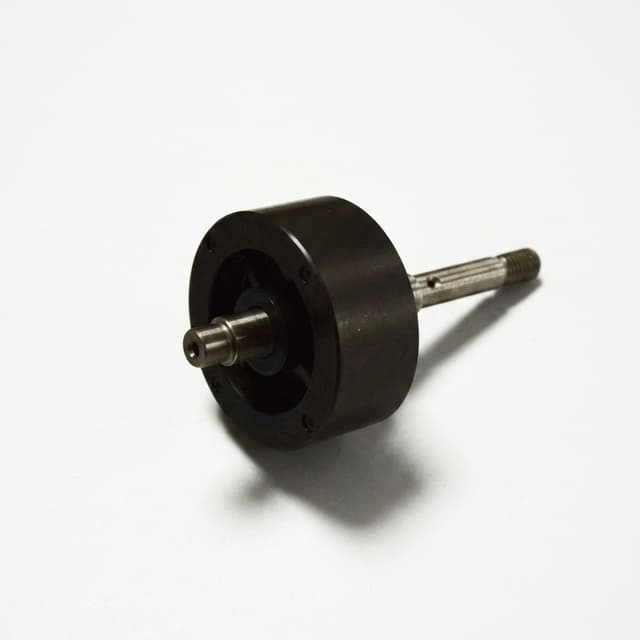
| Micro Motor Bonded Magnet Rotors | Best for motor engineering teams that need custom rotor geometry and repeatable magnetic pattern at volume. | Rotor air-gap control: Defined by motor design and tolerance stack | Small motors are sensitive to molded rotor runout and magnetic uniformity. |
| Harsh Environment Non-Brittle Magnets | Best for engineers solving field-failure risk caused by magnet fragments, edge chips, or glue joints. | Environmental validation window: Temperature, vibration, humidity, and media exposure by project | The non-brittle advantage only matters when validated against real operating stress. |
| Throttle Pedal Sensor Magnets | Best for Tier 1 pedal module engineering teams needing a robust, non-brittle magnetic rotor. | Magnetic angle linearity: Optimized for 0-30 degree pedal travel | Pedal feel and ECU response rely on perfectly linear magnetic flux changes. |
| Steering Angle Magnet Rotors | Best for steering system manufacturers needing high-pole-count rotors with strict dimensional and magnetic runout controls. | Pole pitch error: Controlled to minimize angle calculation jitter | In EPS systems, uneven magnetic poles cause steering feel issues and angle miscalculation. |
| Automotive-Grade SmFeN Sensor Rotors | Best for automotive sensor teams comparing SmFeN against bonded NdFeB when corrosion risk and stable magnetic output matter. | Angle signal stability: Defined by sensor output, temperature, and air gap | SmFeN selection should be judged by the signal stability the ECU or controller actually reads. |
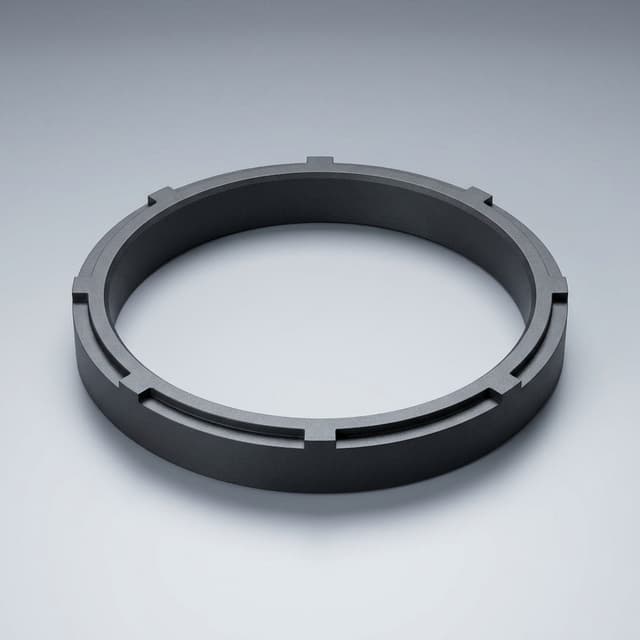
| SmFeN Multipole Rings for Micro Actuators | Best for actuator teams that need higher output than ferrite but want a molded ring geometry with reliable pole repeatability. | Pole pitch control: Defined by actuator resolution and ring diameter | Small actuators magnify pole pitch and concentricity errors into torque ripple or position jitter. |
| Coating-Free Resolver Magnet Targets | Best for sensor and drivetrain teams trying to avoid coating failure, edge chips, or glued target assemblies. | Sensing-radius flux profile: Buyer-defined Bx, By, Bz, or angle output curve | Resolver and encoder magnets must be judged by the field at the sensor, not by the magnet part alone. |
| Heavy-Rare-Earth-Free Magnetic Components | Best for procurement and engineering teams that need a practical magnet design path with lower heavy rare-earth dependency. | Substitution target: Cost, corrosion, compliance, supply risk, or rare-earth exposure | A material-change project needs one primary target or it becomes impossible to validate. |
| BLDC Motor Magnet Rotors | Best for motor teams that need a custom magnet rotor with stable pole geometry, controlled runout, and production supply support. | Torque ripple target: Defined by motor control and application noise limits | The magnet pole profile and rotor concentricity directly affect vibration, sound, and efficiency. |
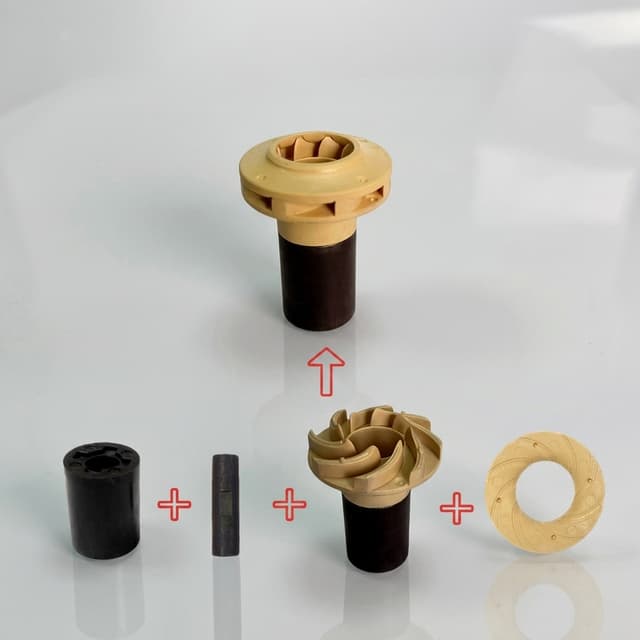
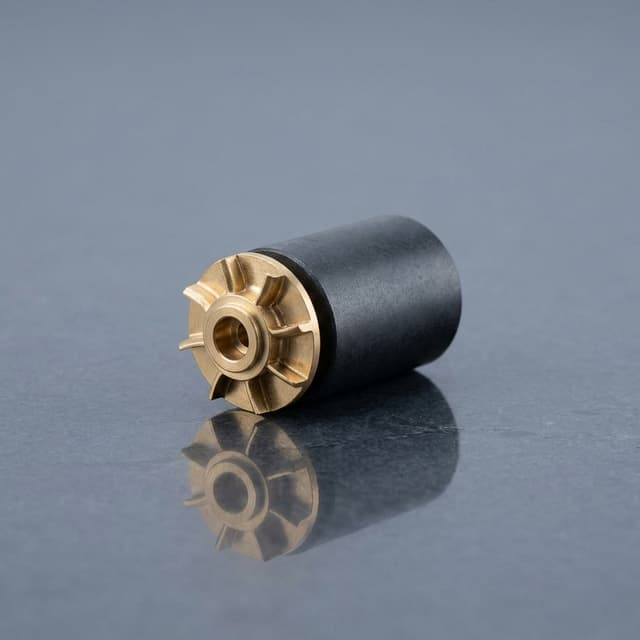
| Water Pump Impeller Magnet Assemblies | Best for pump manufacturers replacing glued magnet rotors or consolidating magnet, sleeve, and impeller features. | Media compatibility: Water, coolant, refrigerant, chemical, or dosing fluid by project | The binder and insert interface must survive the actual fluid environment, not only room-temperature dry testing. |
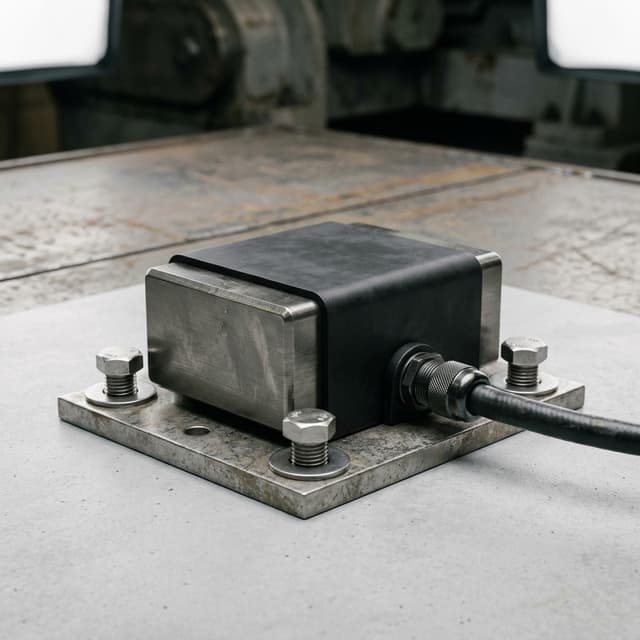
| Engine-Bay PPS Sensor Magnetic Targets | Best for automotive engineers that need a molded magnetic target near heat, fluids, or vibration rather than a brittle glued magnet. | High-temperature signal retention: Flux or sensor curve measured at project temperature | Engine-bay sensors fail when magnetic output drops below the control system threshold at heat. |